The Right Dance Shoes for Healthy Feet

Different dance styles require specific shoes designed for support and performance. Ballet slippers and pointe shoes emphasize flexibility and precision, while jazz, tap, and ballroom shoes provide stability and movement control. A proper shoe fit is essential to prevent pain and injury, especially since dancers have unique foot shapes such as square, Greek, or Egyptian feet. Wearing ill-fitting shoes can contribute to posterior ankle impingement, anterior ankle strain, and medial ankle injuries. A podiatrist can evaluate foot structure, recommend proper footwear, and treat dance-related injuries to keep feet strong and balanced. If foot pain or discomfort is affecting your dance performance, it is suggested that you schedule an appointment with a podiatrist who can treat various foot conditions and guide you on the correct shoes to wear for your desired style of dance.

Finding a properly-fitting shoe is important in reducing injuries and preventing foot problems. For more information about treatment, contact Jennifer Swan, DPM from Right Step Foot Care. Our doctor will treat your foot and ankle needs.

Proper Shoe Fitting

A common concern when it comes to foot health, having properly fitted shoes can help prevent injuries to the foot. Out feet affect our posture and gait, which in turn affects the biomechanics and overall bodily structure. With 33 joints, 26 bones, and over 100 ligaments, the potential for serious injury is much greater than one realizes. Although the feet cease growth in adulthood, they still change shape as they mature. Here are some factors to consider when it comes to investing in proper fitting shoes:

  • Be sure the shoes fit correctly right away
  • Ensure the ball of your foot fits comfortably in the widest portion of the shoes
  • Even though they may look fashionable, improper fitting shoes can either create adverse conditions or exacerbate existing ones you may already have
  • Walk along a carpeted surface to ensure the shoes comfortably fit during normal activity

Keeping in mind how shoes fit the biomechanics of your body, properly-fitting shoes are vitally important. Fortunately, it is not difficult to acquire footwear that fits correctly. Be sure to wear shoes that support the overall structure of your body. Do your feet a favor and invest in several pairs of well-fitted shoes today.

If you have any questions, please feel free to contact our office located in Westerville, OH . We offer the newest diagnostic and treatment technologies for all your foot care needs.

Read more about Getting the Right Shoe Size

We Can Treat Your Foot or Ankle Pain

Foot or ankle pain can negatively affect your day-to-day life and can occur due to several different conditions. Pain can also be an indicator of a more serious underlying condition, which is why you should seek professional help as soon as you notice any abnormalities in your feet.

Causes of Foot Stress Fractures

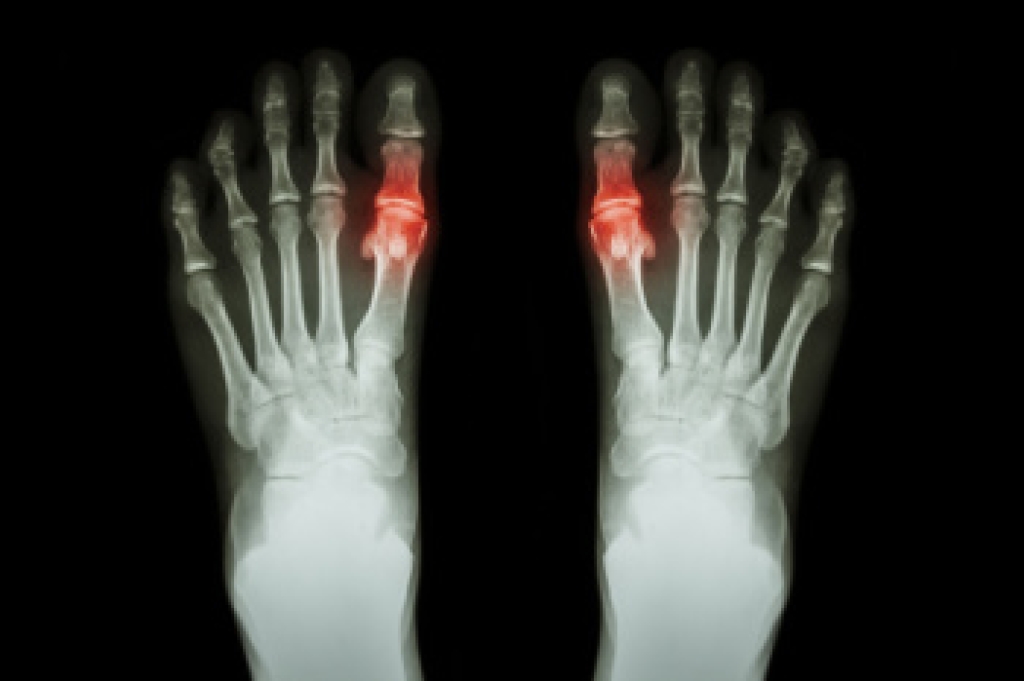
Foot stress fractures are small cracks in the bones of the foot caused by repeated pressure or overuse. Unlike acute fractures, they develop gradually and often begin with mild discomfort that worsens over time. Symptoms include localized pain, swelling, and tenderness that increase with activity. These fractures are common in repetitive running activity, and are often called march fractures because they frequently occur among newly recruited soldiers during intense training. A podiatrist can diagnose stress fractures through an examination and imaging tests, provide proper rest and support, and recommend footwear or custom orthotics to reduce pressure on the foot. If you have persistent foot pain, it is suggested that you consult a podiatrist who can accurately diagnose and treat what the problem. 

Activities where too much pressure is put on the feet can cause stress fractures. To learn more, contact Jennifer Swan, DPM from Right Step Foot Care. Our doctor can provide the care you need to keep your pain free and on your feet.

Dealing with Stress Fractures of the Foot and Ankle

Stress fractures occur in the foot and ankle when muscles in these areas weaken from too much or too little use.  The feet and ankles then lose support when walking or running from the impact of the ground. Since there is no protection, the bones receive the full impact of each step. Stress on the feet can cause cracks to form in the bones, thus creating stress fractures.

What Are Stress Fractures?

Stress fractures occur frequently in individuals whose daily activities cause great impact on the feet and ankles. Stress factors are most common among:

  • Runners                                
  • People affected with Osteoporosis
  • Tennis or basketball players
  • Gymnasts
  • High impact workouts

Symptoms

Pain from the fractures occur in the area of the fractures and can be constant or intermittent. It will often cause sharp or dull pain with swelling and tenderness. Engaging in any kind of activity which involves high impact will aggravate pain.

If you have any questions please contact our office located in Westerville, OH . We offer the newest diagnostic and treatment technologies for all your foot and ankle needs.

Read more about Dealing with Stress Fractures of the Foot and Ankle

Understanding Bunions and When Surgery May Be Needed

A bunion is a bony bump that forms on the joint at the base of the big toe, as the top of the toe leans inward. It may appear red, swollen, and feel painful or stiff, especially when walking or wearing tight shoes. Common causes include inherited foot structure, arthritis, or wearing narrow footwear. Symptoms range from mild discomfort to persistent pain, limited movement, and visible deformity. A podiatrist can diagnose a bunion through a physical exam and X-rays. Non-surgical treatments include custom orthotics, padding, anti-inflammatory medication, or shoe modifications to relieve pressure. If conservative methods fail and pain interferes with daily life, surgery may be considered. Surgical benefits include pain relief and improved foot alignment, but risks may include infection, nerve damage, or a lengthy recovery. Every case is unique, and a podiatrist can help determine the best course of action. It is suggested that you make an appointment with a podiatrist for proper evaluation and care.

If you are suffering from bunions, contact Jennifer Swan, DPM of Right Step Foot Care. Our doctor can provide the care you need to keep you pain-free and on your feet.

What Is a Bunion?

A bunion is formed of swollen tissue or an enlargement of boney growth, usually located at the base joint of the toe that connects to the foot. The swelling occurs due to the bones in the big toe shifting inward, which impacts the other toes of the foot. This causes the area around the base of the big toe to become inflamed and painful.

Why Do Bunions Form?

Genetics – Susceptibility to bunions are often hereditary

Stress on the feet – Poorly fitted and uncomfortable footwear that places stress on feet, such as heels, can worsen existing bunions

How Are Bunions Diagnosed?

Doctors often perform two tests – blood tests and x-rays – when trying to diagnose bunions, especially in the early stages of development. Blood tests help determine if the foot pain is being caused by something else, such as arthritis, while x-rays provide a clear picture of your bone structure to your doctor.

How Are Bunions Treated?

  • Refrain from wearing heels or similar shoes that cause discomfort
  • Select wider shoes that can provide more comfort and reduce pain
  • Anti-inflammatory and pain management drugs
  • Orthotics or foot inserts
  • Surgery

If you have any questions, please feel free to contact our office located in Westerville, OH . We offer the newest diagnostic and treatment technologies for all your foot care needs.

Read more about What Are Bunions?

How Contagious Is Athlete’s Foot?

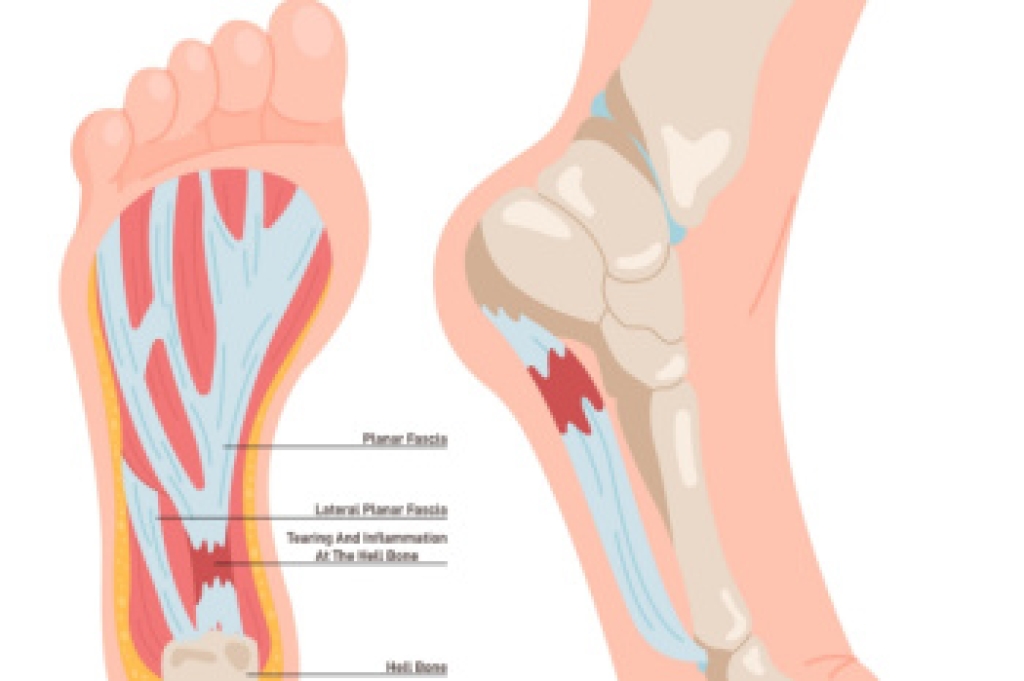
Athlete’s foot is a fungal infection that spreads easily from person to person and through contaminated surfaces. The fungi that cause the infection thrive in warm, moist environments, such as locker rooms, public showers, and inside of shoes. Walking barefoot on damp floors or sharing towels, socks, or footwear can quickly spread the fungus. Even tiny flakes of infected skin can contain spores that linger on floors or carpets and lead to reinfection. Scratching the affected skin can also transfer the fungus to other parts of the foot or between the toes. A podiatrist can confirm an athlete's foot infection through examination and testing, prescribe antifungal medication, and recommend ways to prevent recurrence. Keeping the feet dry and clean, wearing flip-flops in public showers, and avoiding shared items can help reduce transmission. If you have an athlete's foot infection, it is suggested that you make an appointment with a podiatrist for a diagnosis and treatment.

Athlete’s foot is an inconvenient condition that can be easily reduced with the proper treatment. If you have any concerns about your feet and ankles, contact Jennifer Swan, DPM from Right Step Foot Care.  Our doctor will treat your foot and ankle needs.

Athlete’s Foot: The Sole Story

Athlete's foot, also known as tinea pedis, can be an extremely contagious foot infection. It is commonly contracted in public changing areas and bathrooms, dormitory style living quarters, around locker rooms and public swimming pools, or anywhere your feet often come into contact with other people.

Solutions to Combat Athlete’s Foot

  • Hydrate your feet by using lotion
  • Exfoliate
  • Buff off nails
  • Use of anti-fungal products
  • Examine your feet and visit your doctor if any suspicious blisters or cuts develop

Athlete’s foot can cause many irritating symptoms such as dry and flaking skin, itching, and redness. Some more severe symptoms can include bleeding and cracked skin, intense itching and burning, and even pain when walking. In the worst cases, Athlete’s foot can cause blistering as well. Speak to your podiatrist for a better understanding of the different causes of Athlete’s foot, as well as help in determining which treatment options are best for you.

If you have any questions please feel free to contact our office located in Westerville, OH . We offer the newest diagnostic and treatment technologies for all your foot and ankle needs.
Read more about How to Deal with Athlete's Foot
scroll to top